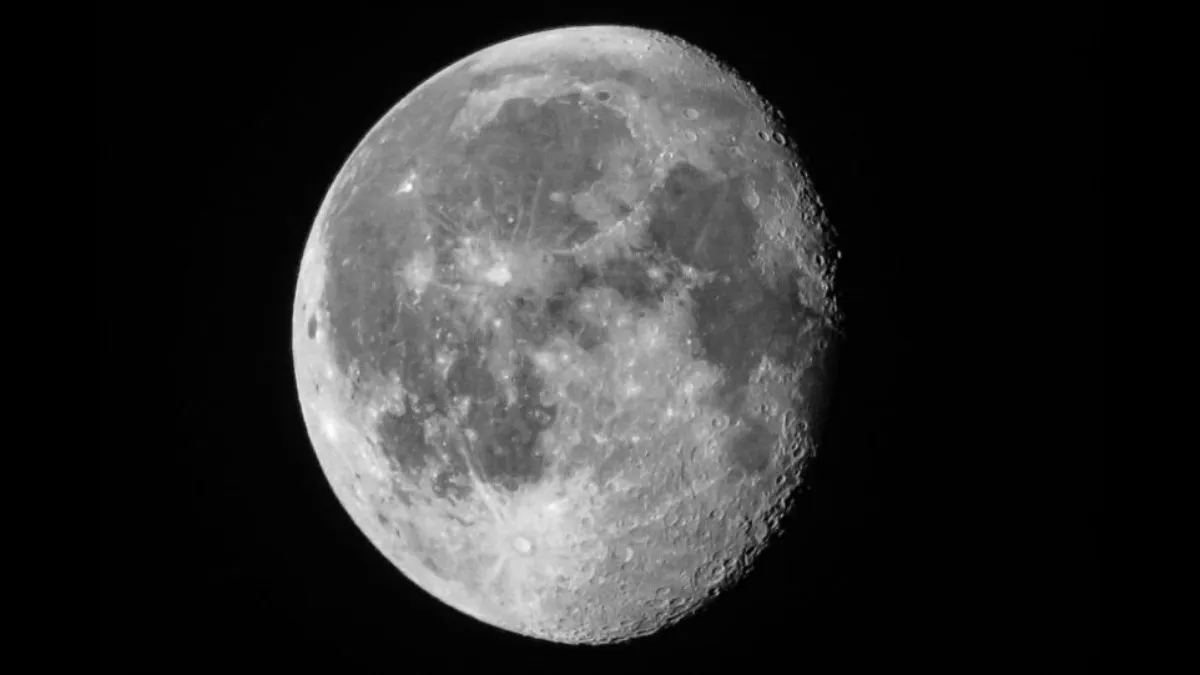
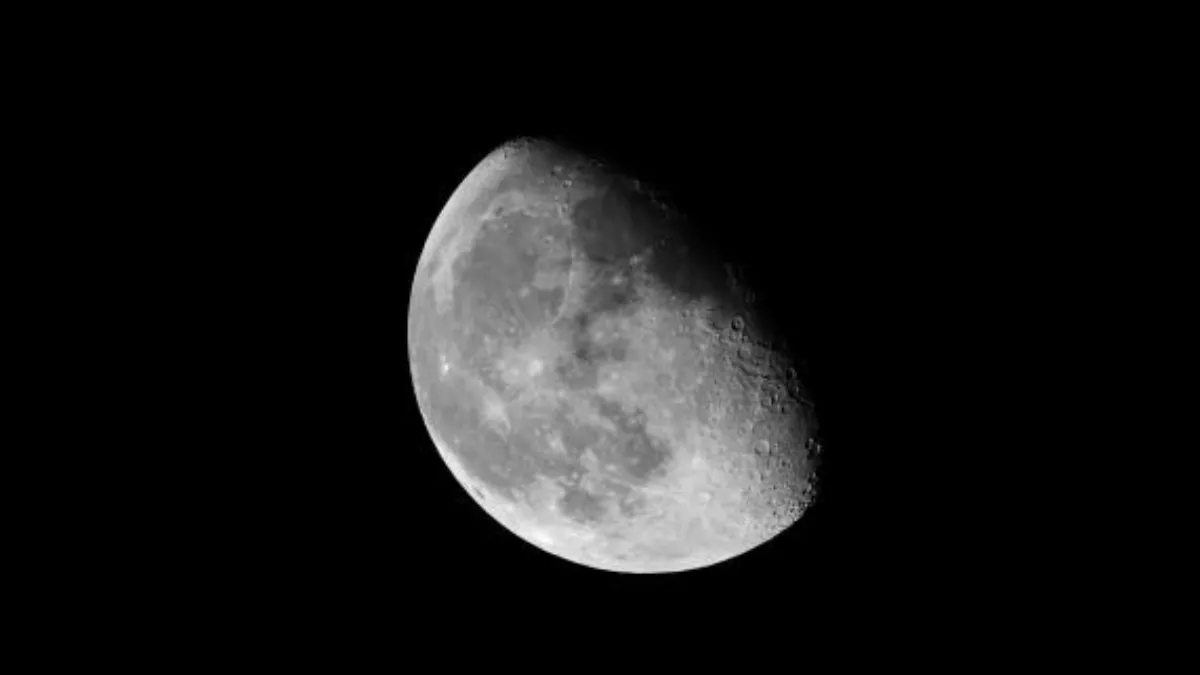
On November 5, the Moon enters a transitional phase, slipping further into its waning cycle. Depending on your location and time zone, the Moon will most likely appear as a waning crescent—a slender, fading sliver in the pre-dawn sky. This phase follows the last quarter and precedes the new moon, marking a period of release, reflection, and diminishing lunar energy in both scientific and cultural contexts.
If you’re stepping outside before sunrise on November 5, don’t expect a bright, dominating Moon. Instead, look eastward in the early morning hours for a delicate curve of light hugging the horizon. This is the final glimpse of the lunar cycle before the Moon vanishes from view entirely during the upcoming new moon.
Understanding the Waning Crescent on November 5
The waning crescent is the sixth lunar phase in the Moon’s ~29.5-day synodic cycle. On November 5, the Moon will be approximately 24 to 25 days old, meaning it has passed its peak fullness and is now shedding illumination daily. At this stage, only about 15% to 25% of the Moon’s surface is illuminated, and the lit portion appears on the left side in the Northern Hemisphere (right side in the Southern Hemisphere).
This phase is often overlooked because it occurs during early morning hours when most people are asleep. Yet, it holds quiet significance for skywatchers, photographers, and those who follow lunar calendars for gardening, astrology, or spiritual practices.
Key characteristics of the Moon on November 5: - Phase: Waning Crescent - Illumination: ~20% (varies slightly by time zone) - Rise Time: Between 2:00 AM and 4:30 AM local time - Visibility: Best just before sunrise - Position: Low in the eastern sky
Because the Moon rises later each day during this phase, by November 5 it appears only in the final hours before dawn. If you’re hoping to see it, set your alarm accordingly—optimal viewing is between 4:00 AM and sunrise.
Why the Moon Looks Different Based on Location
The exact appearance and timing of the Moon on November 5 can vary depending on your geographic position. Time zones, latitude, and even local terrain affect visibility.
For example: - In New York (EST), the Moon will rise around 2:18 AM on November 5 and set in the afternoon. - In Los Angeles (PST), moonrise occurs closer to 4:10 AM, making observation more challenging due to dawn’s early light. - In London (GMT), the waning crescent rises around 1:45 AM, offering clearer pre-dawn viewing with less atmospheric interference.
Additionally, atmospheric conditions play a role. If there’s cloud cover, light pollution, or a low-hanging haze, the faint waning crescent may be difficult to spot. Observers in rural areas with dark skies have the best chance of seeing the Moon’s subtle glow and even earthshine—the faint glow on the Moon’s unlit side caused by sunlight reflecting off Earth.
Pro Tip: Use a moon phase app or astronomy software to pull up your exact local times. Avoid relying on generic calendars that don’t account for time zone shifts or daylight saving adjustments.
How to Observe the Moon on November 5
You don’t need professional equipment to witness the Moon on November 5, but preparation improves your experience.
Step-by-Step Viewing Guide:
- Check Local Moonrise and Sunrise Times
- Use tools like timeanddate.com or The Photographer’s Ephemeris to get precise times for your city.
- Face East in the Pre-Dawn Hours
- The waning crescent will be low on the eastern horizon. A clear, unobstructed view (like over a field or body of water) is ideal.
- Look for the Thin Crescent
- It will appear as a narrow, backward C-shaped curve in the Northern Hemisphere. In the Southern Hemisphere, it may look like a forward C.
- Use Binoculars for Detail
- Even basic 10x50 binoculars can reveal craters along the terminator—the line between light and dark—where shadows are longest and surface features are sharpest.
- Watch for Earthshine
- Also called “the old Moon in the new Moon’s arms,” this faint glow on the dark portion is a stunning sight in clear conditions.
Common Mistakes to Avoid: - Mistaking Venus or Jupiter for the Moon (bright planets can appear nearby) - Looking too late in the morning when daylight drowns out the crescent - Expecting a large, bright Moon—this phase is subtle and easy to miss
What This Moon Phase Means Culturally and Practically
While astronomy focuses on orbital mechanics, human cultures have long interpreted lunar phases symbolically. The waning crescent, as the Moon’s final visible phase before rebirth, is traditionally associated with release, closure, and preparation.
Cultural Observations:
- In lunar gardening, this is a recommended time to prune, harvest root crops, or remove weeds—activities that benefit from diminishing energy.
- In spiritual practices, the waning crescent is seen as ideal for banishing rituals, letting go of bad habits, and cleansing spaces.
- In astrology, the Moon’s phase influences emotional energy. The waning crescent is thought to support introspection and retreat.
Even if you don’t follow symbolic interpretations, there’s practical value in aligning with natural cycles. For instance, anglers and hunters often track moon phases for animal behavior patterns. The reduced light of the waning crescent makes nocturnal creatures more active, increasing chances of sightings.
Similarly, photographers can use the low-contrast lighting of a thin crescent to capture dramatic sky compositions—especially when paired with silhouetted landscapes or city skylines.
Tools to Track the Moon Accurately
To avoid confusion and plan your observation, use reliable digital tools that calculate moon phases based on your exact location.
Top 5 Moon Phase Trackers:
| Tool | Key Feature | Best For |
|---|---|---|
| Time and Date (timeanddate.com) | Real-time moon phase, rise/set times, interactive sky map | General users, travelers |
| The Photographer’s Ephemeris (TPE) | Sun and Moon path overlay on maps | Photographers, outdoor planners |
| Stellarium (stargazing app) | 3D sky simulation, zoomable Moon view | Educators, astronomy enthusiasts |
| Moon Phase Calendar (iOS/Android apps) | Daily notifications, lunar facts | Casual skywatchers |
| Heavens-Above.com | High-precision satellite and lunar data | Advanced hobbyists |
These tools go beyond basic calendars by factoring in your GPS location, altitude, and atmospheric refraction. For example, TPE can show you exactly where the Moon will rise over a mountain ridge—critical for photographers planning a shot on November 5.
Insight: Many free moon phase apps rely on approximate data. For accuracy, cross-reference two sources—especially if you’re scheduling an event or photo shoot.
Common Misconceptions About the November 5 Moon
Despite growing public interest in astronomy, several myths persist about moon phases.
Myth 1: “The Moon isn’t visible on November 5.” False. While faint, the waning crescent is still visible in the early morning sky. It’s not the new moon yet.
Myth 2: “The Moon looks the same everywhere on Earth.” Incorrect. The Moon’s orientation flips between hemispheres. In Australia, the crescent appears upside-down compared to Canada.
Myth 3: “Moon phases affect human behavior strongly.”
There’s no conclusive scientific evidence that lunar phases cause mood swings or increased crime. Any influence is likely cultural or psychological.
Myth 4: “The dark side of the Moon is always dark.” No. The far side of the Moon receives just as much sunlight as the near side—it’s simply not visible from Earth.
Understanding these distinctions helps you interpret what you’re seeing—and avoid misinformation when sharing lunar events with others.
Preparing for the Upcoming New Moon
The waning crescent on November 5 is the final act before the new moon, expected around November 7 or 8, depending on your time zone. During the new moon, the Moon is positioned between Earth and the Sun, making it invisible from our perspective.
This period marks the start of a new lunar cycle. If you’re tracking moon phases for planning—be it planting, meditation, or content scheduling—note that the new moon is often considered a powerful time for setting intentions.
But on November 5, the Moon still has one last appearance. It’s a quiet, fleeting moment in the sky—a reminder that even endings have beauty.
Final Thoughts: Make the Most of the November 5 Moon
The Moon on November 5 won’t dazzle you with brightness or drama. Instead, it offers a moment of quiet reflection—a chance to witness the end of one cycle before the next begins.
Whether you’re stepping outside with a camera, checking a sky app, or simply pausing to look up, take a moment to appreciate the subtle elegance of the waning crescent. It’s easy to miss, but worth the effort.
Your Action Plan: - Set an alarm for 4:00 AM on November 5 - Look east just before sunrise - Use binoculars or a moon app for enhanced viewing - Take a photo or jot down your observation - Reflect on what you’d like to release before the new moon
The Moon is always there, even when we don’t see it. On November 5, it’s still within reach—if you’re willing to wake up a little earlier.
Frequently Asked Questions
What phase is the Moon in on November 5? The Moon is in the waning crescent phase on November 5, with roughly 20% of its surface illuminated.
Will the Moon be visible on November 5? Yes, but only in the early morning hours before sunrise. It will appear as a thin crescent low in the eastern sky.
What time does the Moon rise on November 5? Moonrise ranges from 1:45 AM to 4:30 AM local time, depending on your location.
Is November 5 the new moon? No. The new moon occurs around November 7 or 8. November 5 is part of the waning crescent phase just before it.
Can I see earthshine on the Moon on November 5? Yes, under clear, dark skies, you may see a faint glow on the unlit portion of the Moon—this is earthshine.
How does the Moon look in the Southern Hemisphere on November 5? In the Southern Hemisphere, the waning crescent appears with the lit portion on the right side, forming a forward C shape.
Why is the Moon so faint on November 5? The Moon is faint because only a small percentage of its surface is illuminated, and it appears during twilight when the sky is already brightening.
FAQ
What should you look for in Moon Phase Today: What the Moon Looks Like on November 5? Focus on relevance, practical value, and how well the solution matches real user intent.
Is Moon Phase Today: What the Moon Looks Like on November 5 suitable for beginners? That depends on the workflow, but a clear step-by-step approach usually makes it easier to start.
How do you compare options around Moon Phase Today: What the Moon Looks Like on November 5? Compare features, trust signals, limitations, pricing, and ease of implementation.
What mistakes should you avoid? Avoid generic choices, weak validation, and decisions based only on marketing claims.
What is the next best step? Shortlist the most relevant options, validate them quickly, and refine from real-world results.